Here are a few impressions of the city. As always, I fall short. In Hiroshima, there are walks and there are readings. Another way of inhabiting the city.
English edition: Kathelijne Bonne
Tabla de contenidos
Osaka and the aftermath of the Expo
Hiroshima strikes me as a friendly city that welcomes you without pomp. It lacks the vulgarity of Western consumerism that has already taken over much of Asia. Osaka would be its antonym, because it is the city of consumerism, amusement parks, and ostentation. I arrived in Osaka in December and it was deeply hungover from an Expo. It was sad to see it somewhat dirty, like the scene in the morning after a party. I wandered through stores selling useless, ugly, and polluting stuff at bargain prices. I also walked through a succession of shopping malls, all decorated for Christmas, empty, and full of horrendous things like tacky cushions, wrapping paper everywhere, and polished looking salespeople wearing excessive makeup, waiting for someone to enter their shop and buy something.
Osaka embodied the decline of a country facing inflation and falling wages with astonishing silence. Of course, I came across beautiful places as well, but nothing I couldn’t find in the neighborhoods ofTokyo. The best thing for me, by far, was the walk along the river at the Mint of Japan. A beautiful walk to take in the spring to see the cherry blossoms.
Hiroshima, the city of great rivers
Everything changes when arriving in Hiroshima. The reason is simple: everything is rebuilt from simplicity and, literally, from nothing.
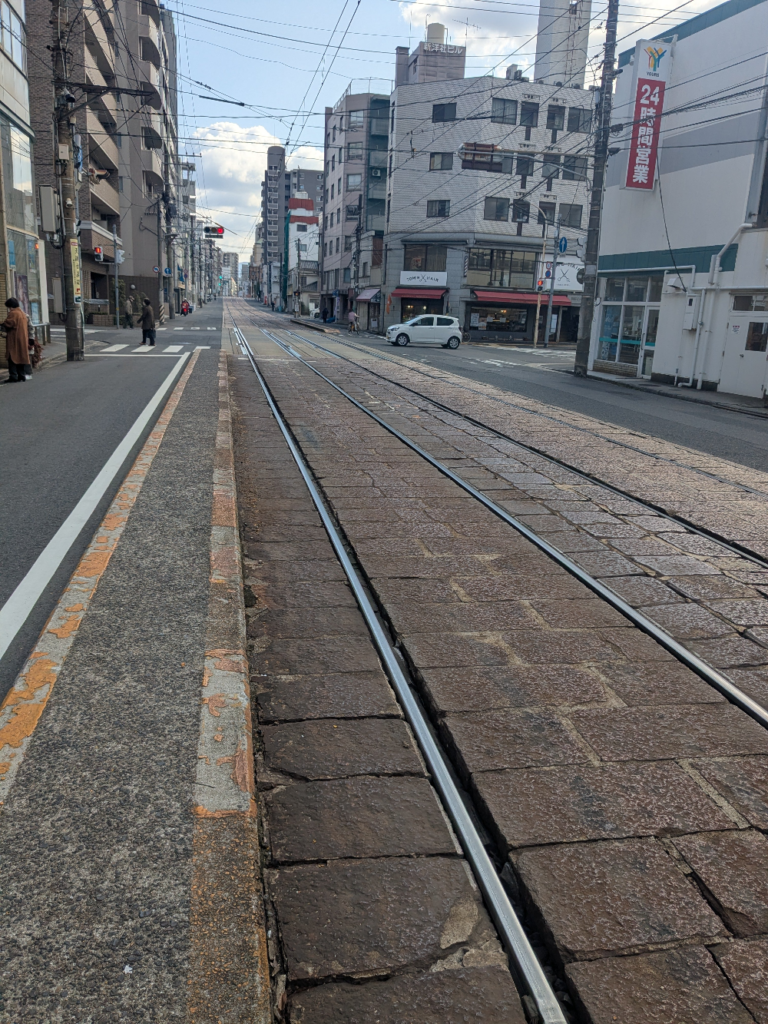
Even people dress more modestly. You don’t see the showy flair of some neighborhoods in Tokyo. You don’t see mothers with their Moncler coats or stylish dogs with the latest haircuts. When you leave the central area of Hiroshima and follow the tram line, you discover a somewhat empty city, with small shops, cobbled streets, and small, old bars.
Near the hotel, I’m having a coffee in a small café. An elderly man makes a few sandwiches, the coffee, and prepares the bill. In Japan, it is common to see older people in the hospitality industry. They go at their own pace. No one rushes them. I read for a while. I write. No one knows me. I almost don’t exist. Japan is the closest experience to ceasing to exist. It’s not necessarily a bad thing. You have to live it. Savor it. I am almost a ghost.
What did Hiroshima do for me? It meant escaping from Dino Buzzati’s The Tartar Steppe. Being someone, or rather, being no one. And ceasing to be many things: especially a mother and a wife. It is walking along those paths in the leaden light. Crossing those immense rivers. Discovering the suburbs of a city that has bounced back from horror. And traveling forever on the tram that winds its way through streets and passes by houses, shops, and gardens.
The city was also conversations and walking. It was listening to the heartbeats of its people, which still echo within me.
Hiroshima is past and present. It was leaving. Escaping from many things.
And it was looking at the light and how it shapes things and people. It’s the readings. It is thinking about technology and how it can be both human and horrific at the same time. Because it is beautiful and, at the same time, violent. It is thinking that Günther Anders was right, today more than ever. The means are the ends. Technology is not neutral. We write differently depending on the format we use. We speak differently to different people. We are many people at the same time. Simply because the medium in which we move changes.
Hiroshima reminds us of this all the time.
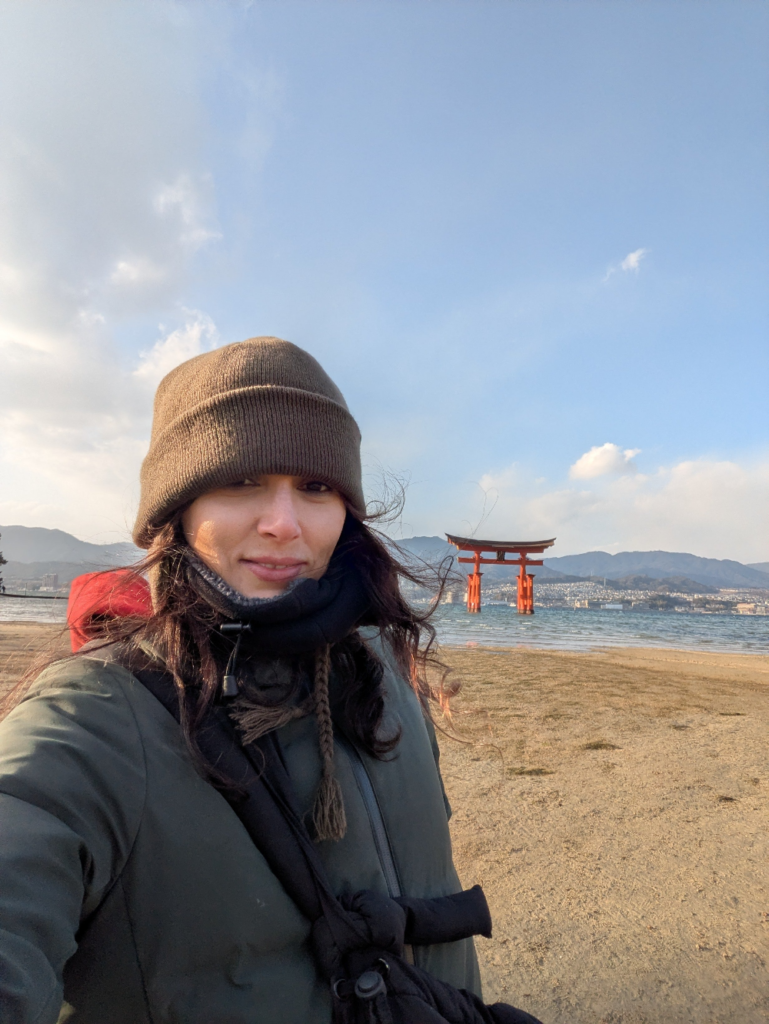
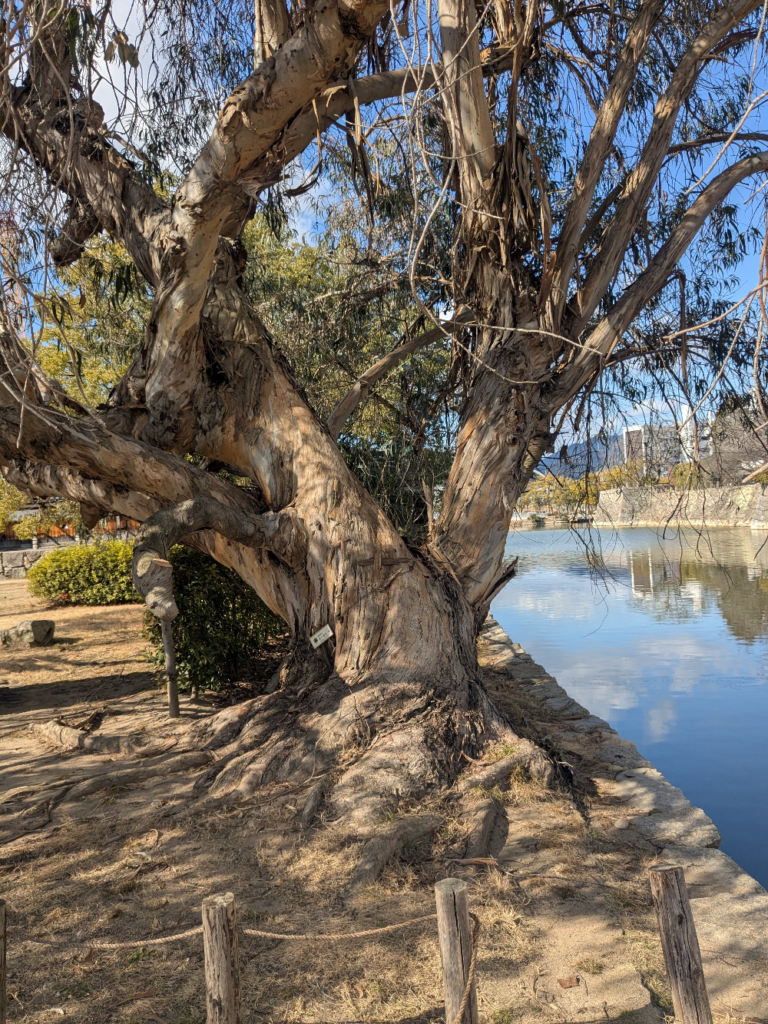
What else is this city? A motionless heron watching the river. The approaching boat. The horror of the past. And the deer following me in Miyajima. It is the great torii gate of the Itsukushima shrine standing there in the middle of the water. (Who came up with that idea?). Or the huge factory that smelts metal and makes coins.
Cities and gazes
I have dinner at a nearby izakaya. I am aware that I wander around not knowing much, especially about this country and its history. He says to her in Hiroshima, mon amour. You can’t understand Hiroshima. You haven’t lived through this. You can’t know, because you haven’t lived it.
Hiroshima is a great exercise in humility. You realize that there’s much you don’t understand. That one will never understand the pain of others or the humor of others. Nor their ways, their tastes, their passions. Lafcadio Hearn said the same thing. It is impossible to ever truly arrive in Japan.
People are bridges. Perhaps imaginary ones, but bridges anyway.
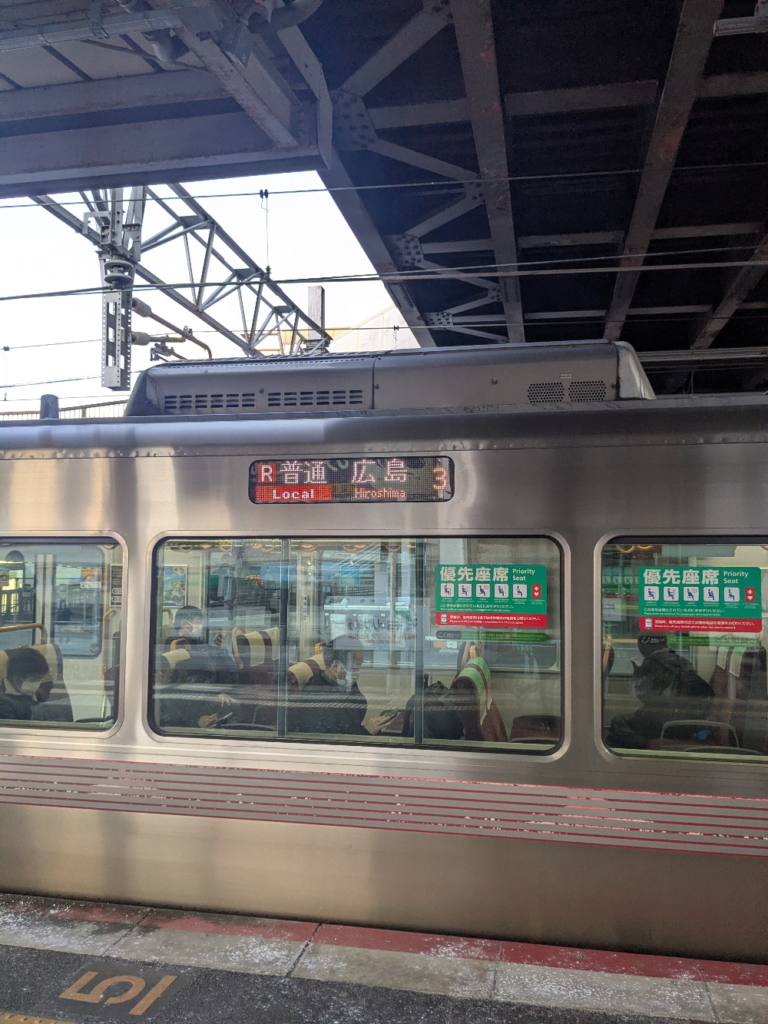
On the train back to Tokyo, I see the snow-covered fields. And I also see that places are only the gaze we cast upon them.
I could say more. But perhaps I am saying it elsewhere. In other formats. In other possible worlds. Hiroshima is everywhere.

Deja una respuesta